Multicultural Own It Advisory Group

Multicultural Advisory Members
The Multicultural Own It Cervical Screening (Self-Collection) Advisory Group serves as a vital platform for strategic oversight and collaboration in national efforts to eliminate cervical cancer by 2035. Facilitated by the Collaborative, this Advisory Group brings together experts, practitioners, and representatives from multicultural communities to shape and guide key aspects of the campaign.
Through their contributions, advisors ensure community engagement processes and implementation align with the needs of Arabic, Cantonese, Mandarin, Hindi, Punjabi, and Vietnamese-speaking communities. By fostering an inclusive, participatory framework, the Advisory Group aims to empower multicultural women and people with a cervix to lead community-driven health interventions, creating meaningful and measurable impacts on local and national public health outcomes.
Multicultural Own It Advisory Group

Alison Guo
Advisor

Dina Kerr
Advisor

Maleeha Ashfaq
Advisor
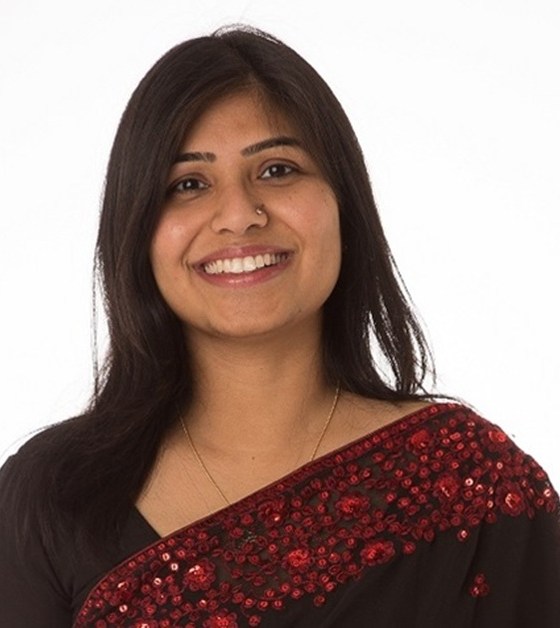
Saba Nabi
Advisor

Safiah Hassan
Advisor
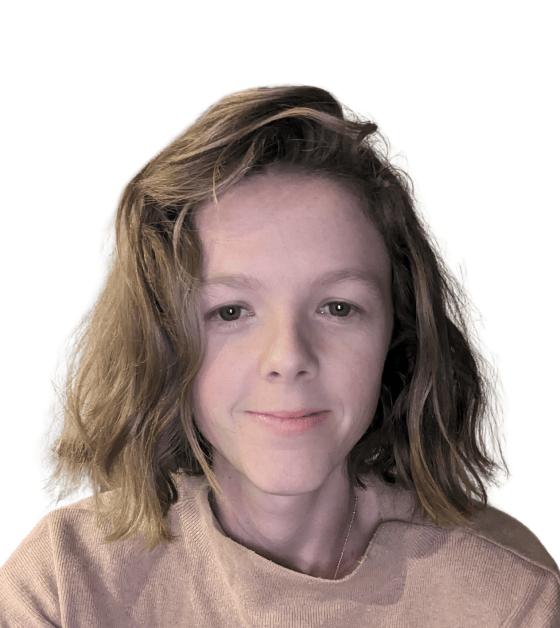
Sally Conte
Advisor
Member Profiles
Alison Guo
As the Community Engagement Officer for ACON's Cancer Programs team, Alison plays a pivotal role in the national "Own It" cervical screening campaign. Alison’s work focuses on amplifying the campaign's impact within diverse communities, ensuring that women and people with a cervix have access to essential health information and services. With a strong background in both multicultural and LGBTQ+ community engagement, Alison brings a deep understanding of campaign materials and a strategic approach to outreach, which helps tailor messages to resonate with a variety of cultural and social groups. Alison’s commitment to women's health drives her dedication to this campaign. By leveraging her skills and knowledge, Alison aims to support women and people with a cervix to take control of their cervical screening, ultimately contributing to better health outcomes and increased awareness across all communities.
Dina Kerr
Dina is daughter, sister, mother, auntie and an Arabic translator and interpreter. Through her work in health and community settings she sees the need to address access, education and awareness of health issues. Dina is inspired to bring Arabic speaking communities’ programs and services that enable better health and wellbeing in Australia.
Maleeha Ashfaq
Maleeha is an early career researcher with a focus on early detection and prevention of cervical cancer, particularly among culturally and linguistically diverse populations. Maleeha’s skills and knowledge in the field of implementation science have underpinned her work in the cervical screening space, aiming to bring research knowledge into practice in both Australian and international contexts. The Own Campaign's aim to engage priority populations is vital for Australia's path to the elimination of cervical cancer, and to achieve equity in screening rates. As a researcher, consumer and a member of the south asian community, this initiative is of great importance to both Maleeha’s professional and personal endeavours.
Saba Nabi
Dr Saba Nabi is a dedicated healthcare professional and community leader with a strong commitment to multiculturalism and inclusion. Arriving in Australia in 2011 to complete her Ph.D. in Biomedical Sciences at Charles Sturt University, she has since made Wagga Wagga her permanent home. Through extensive volunteering, Saba has built strong community connections and received numerous accolades, including the Medal of the Order of Australia (OAM) for her exceptional service to community health, education, and multicultural affairs. As Deputy Co-Chair of the NSW Health Consumer, Carer, and Community Advisory Council and the only regional Board Member at Multicultural NSW, she advocates for patient-centric healthcare and inclusive decision-making, ensuring the voices of culturally and linguistically diverse communities are heard. Her dedication to volunteering has provided her with a deep understanding of diverse cultures, reinforcing her belief that persistence and determination pave the way for success.
Safiah Hassan
Safiah Hassan currently serves as the Lead Project Officer at the Australian Centre for the Prevention of Cervical Cancer (ACPCC). In this role, Safiah plays a primary role in national self-collection in cervical screening campaign, where ACPCC has been educating and encouraging healthcare providers to offer self-collection to all eligible patients, including those from multicultural and Aboriginal and Torres Strait Islander Communities. Safiah is committed to addressing health disparities, and this campaign has provided an incredible opportunity to align her professional work with this passion. Her previous experience includes public health consulting for the Centers for Disease Control and Prevention (CDC), where she focused on strengthening the interconnections between clinical, public health, and CDC laboratory and point-of-care testing education/training professionals to support rapid, large-scale emergency responses, particularly during the COVID-19 pandemic.
Sally Conte
Sally Conte is a dietitian by background with experience in clinical dietetics and health promotion. She has worked in various programs in the government and non-profit sectors, including time spent in the Kimberley in WA working as a clinician in remote Communities. Currently, she works as the Senior Project Officer at the National Aboriginal Community Controlled Health Organisation, focusing on the National Cervical Screening Campaign.
Nidia Raya Martinez
Nidia Raya Martinez is a Senior Program Manager for the Australian Multicultural Health Collaborative (the Collaborative), an initiative by the Federation of Ethnic Communities’ Councils of Australia (FECCA). In this role, she is leading large scale cancer screening programs and strategic initiatives. Over the course of Nidia’s portfolio career, she has straddled the domains of global health, communications, and teaching and learning. Nidia has lectured at leading Australian universities, such as the University of New South Wales and Sydney University and consulted internationally with health and development agencies, such as the Australian Aid Program and Asian Development Bank in Papua New Guinea and Fiji.